Good design is easier to notice than to explain. You can usually tell when something works well, but articulating why is another matter. At its core, a well-designed product doesn’t get in the user’s way — it’s easy to use, accessible to different kinds of people, and doesn’t create friction where there shouldn’t be any.
On the web, that mostly means letting the content do the work. Text should be clear enough that people don’t have to reread it. Navigation should behave the way people expect it to. When a site feels consistent, users spend less time orienting themselves and more time doing what they came to do.
Like any design discipline, web design also responds to the world around it — new technology, shifting habits, changing expectations. The five trends below reflect where things are heading right now.
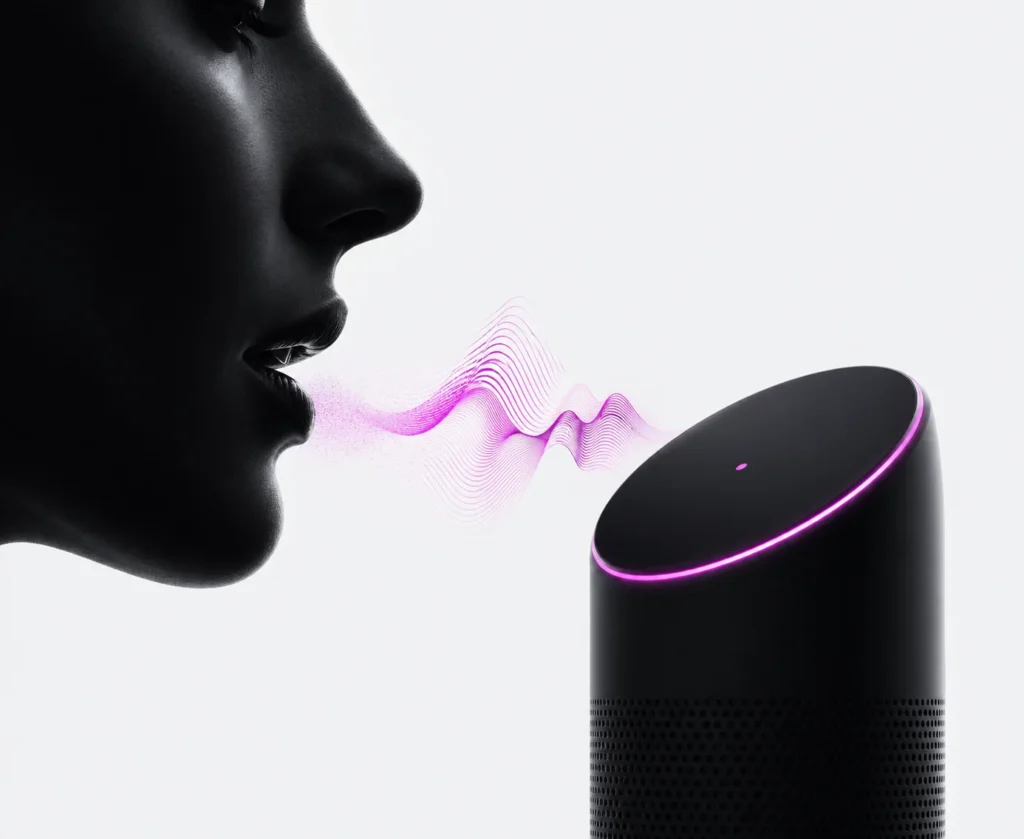
VOICE USER INTERFACES (VUI)
Speech recognition and natural language processing have improved enough that voice interfaces are now a realistic part of how people use the web. Users increasingly expect their devices to understand them accurately, not just respond to rigid commands. Combined with the growth of mobile search and smart speakers, designing with voice in mind is becoming a practical consideration rather than a nice-to-have — one that affects both discoverability and how usable a site actually is for a broader range of people.

INTERACTIVE 3D ELEMENTS
3D elements on the web have become more practical as the underlying tools have matured. Libraries like Three.js, Babylon.js, and platforms like Spline have lowered the barrier enough that interactive 3D is no longer reserved for big-budget productions. The results vary — product pages and portfolios tend to benefit most, where the ability to explore something spatially adds genuine value. Whether it holds up as a broader design approach depends on how well it serves the content rather than just the spectacle.
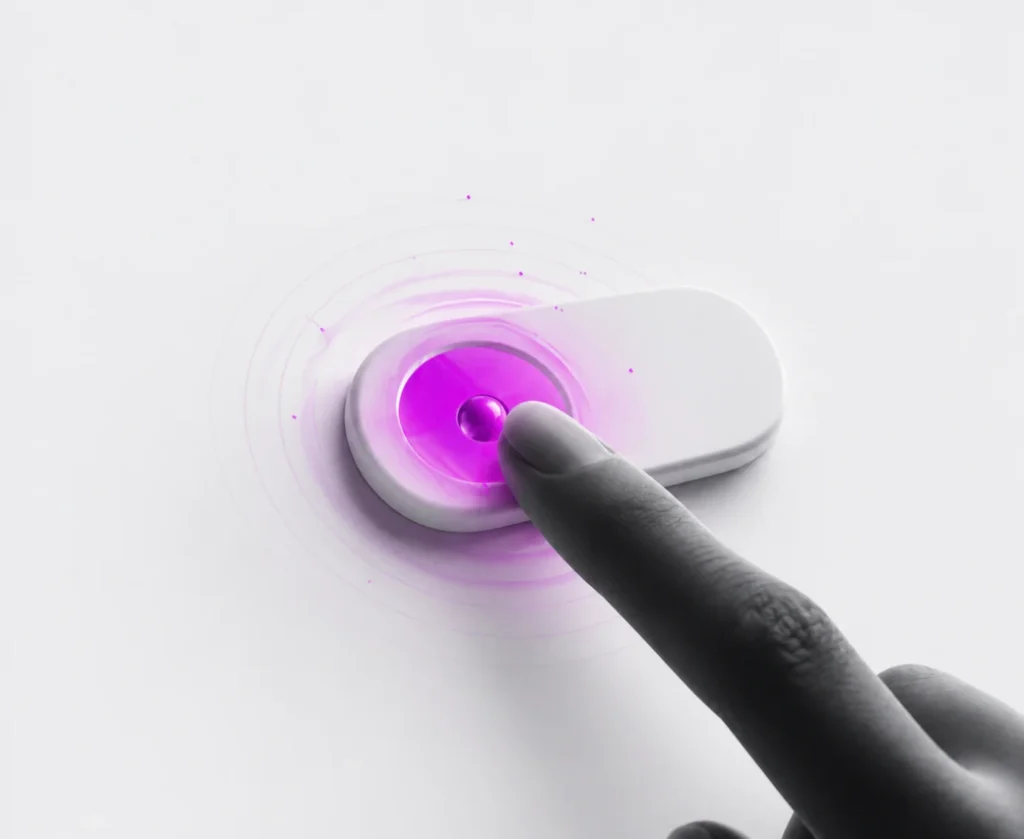
MICRO INTERACTIONS
Micro-interactions have been around as a functional tool for a while — small animations that confirm an action, signal a state change, or indicate that something is loading. That part hasn’t changed. What has shifted is how designers are using them expressively, as a way to give an interface a bit of character without overhauling the whole experience. Done well, they’re barely noticeable in a conscious sense, but they contribute to whether something feels polished or flat.
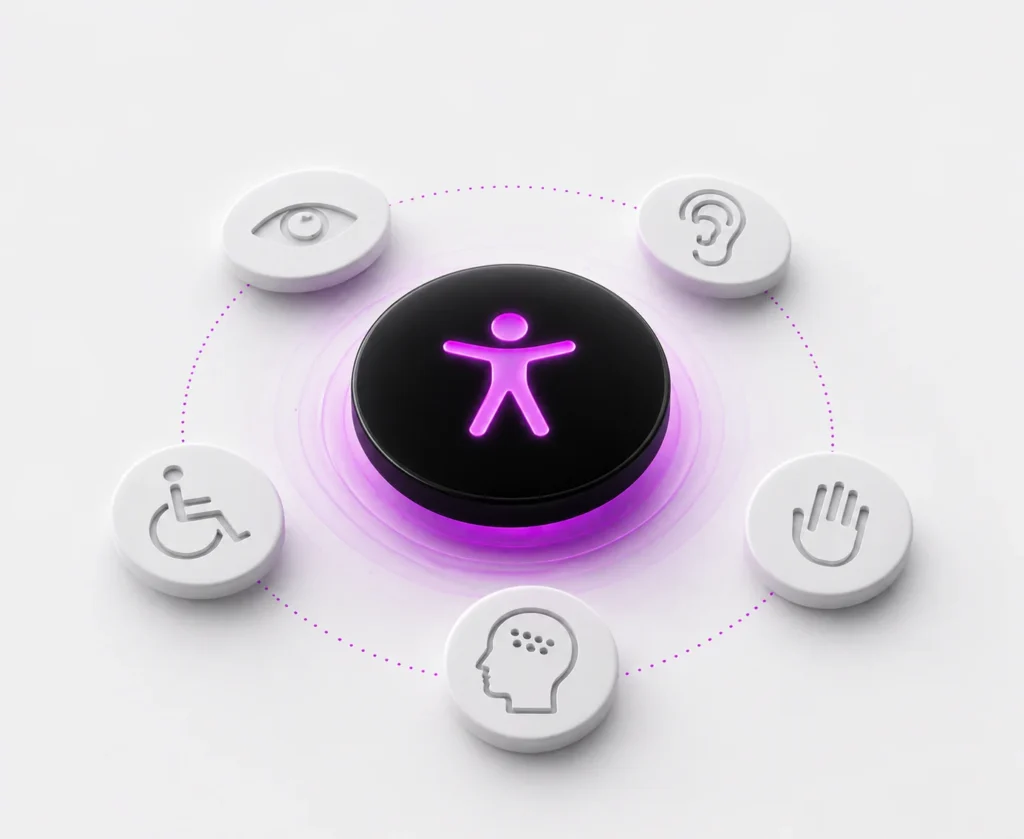
ACCESSIBILITY
Accessibility is less a trend than a baseline expectation — something that should be accounted for from the start rather than added on later. In practice, that means clear color contrast, semantic HTML, descriptive alt text, and proper ARIA labels, among other things. These aren’t difficult to implement when they’re part of the process from the beginning, and they make a real difference to people who rely on assistive technology like screen readers or voice navigation. A site that works for a wider range of people is also, generally, a better-built site.
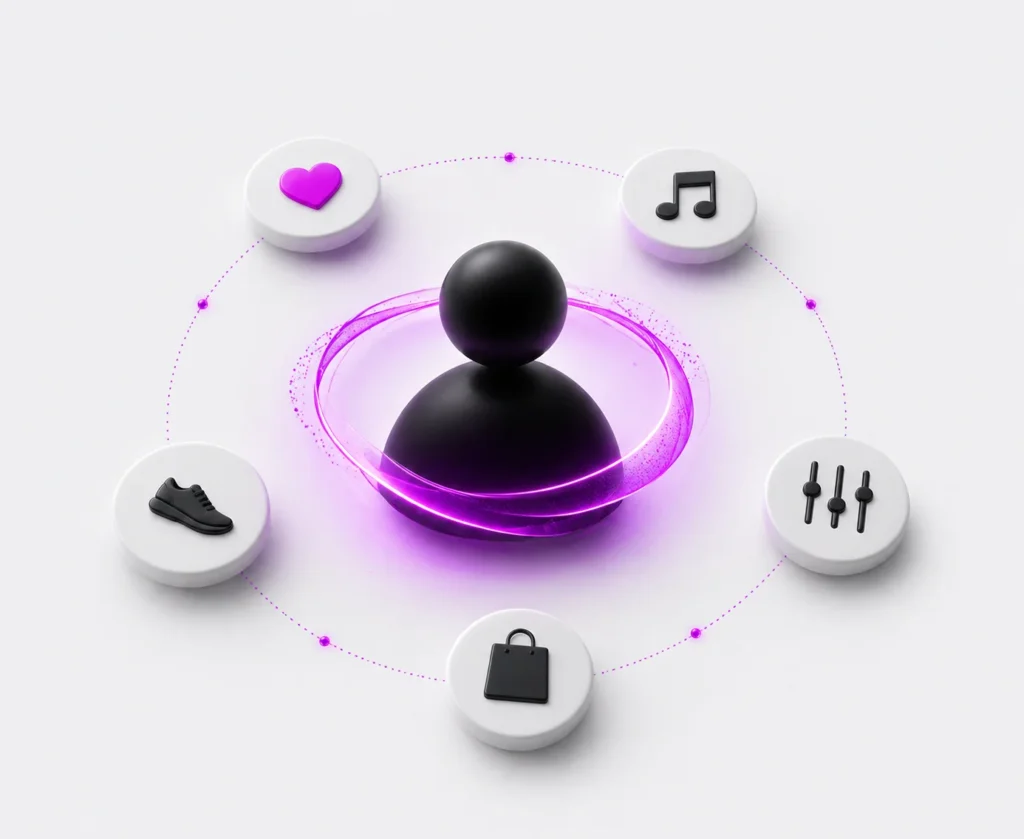
AI PERSONALISATION
Personalisation on the web isn’t new, but AI has expanded what’s actually possible. Sites can now adapt content, layout, and visual presentation based on user behaviour in ways that go beyond simple recommendations or location-based adjustments. The more interesting shift is that this is happening at a visual level too, not just at the content level — what someone sees and how they see it can vary considerably from one visitor to the next. How far that’s genuinely useful versus just technically impressive is still something the industry is working out.